
·
·
There is a particular sound a Jacquard loom makes when it is healthy: a long, even breath, then a small report at the end of the line — like a sentence ending. We are in Lyon, in a workshop on the Rue Pasteur, and Henri has been listening to that sound for forty-three years.
It is not a romantic place. The light is fluorescent. There is a kettle. A radio plays the news at a low volume. The looms — there are three of them, and one is older than the building — make work the way work used to be made: slowly, by people who go home for lunch.
On dupion, and what it asks of you
Dupion silk has small irregularities — slubs — that come from two silkworms spinning a single cocoon. The fabric is, in a real sense, an accident the worms made together. Mass-produced silks remove these. Henri keeps them. He says they are the part of the cloth that remembers it was alive.
“A loom does not produce metres. It produces an afternoon, a conversation, a particular pair of hands, and at the end of all of that — sometimes — a piece of cloth.”
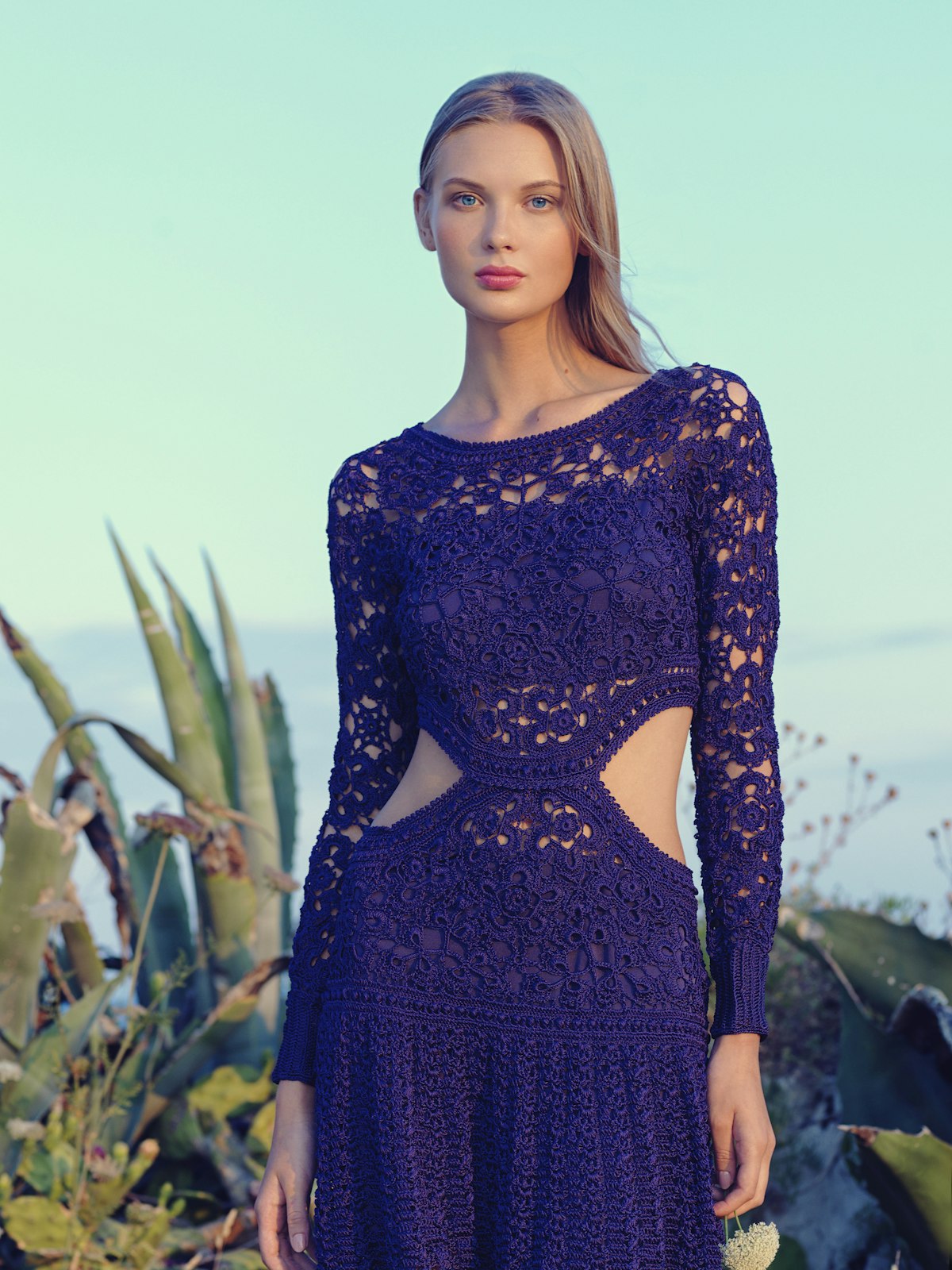
We use his silk for the Lia dress and for the Andrée shirt in ivory. The bolt for our spring collection took eleven weeks. The bolt for autumn will take longer; the rains have been bad in Como and a sister mill is behind on a different order.
A small economic note
It is twice as expensive to weave dupion this way. Sometimes more. We pay for it because we believe — perhaps stubbornly — that it is the part of the price worth paying. The rest of the cost is in the labour of cutting and sewing, and in the long, dull, unglamorous work of running an atelier from a 4ème address with proper lights and proper chairs and a proper salary for the people who turn the cloth into clothing.
There is no manifesto in any of this. We mention it only because, occasionally, a customer writes to ask why a silk shirt costs what it does. The honest answer is: because Henri.
— Margaux, for the atelier